01
Product and audience
Define the cosmetic format, target user, usage occasion, price position, and role in the wider range.
Develop complexion, lip, eye, and finishing products with a cosmetic manufacturer in Malaysia that connects shade, texture, application, packaging, market fit, and production planning.
Cosmetic formats
16
Cosmetic formats
Malaysia
OEM planning
01 / Cosmetic formats
Begin with the colour cosmetic format closest to your idea, then refine shade family, coverage, finish, texture, applicator, packaging, and launch positioning.
 01
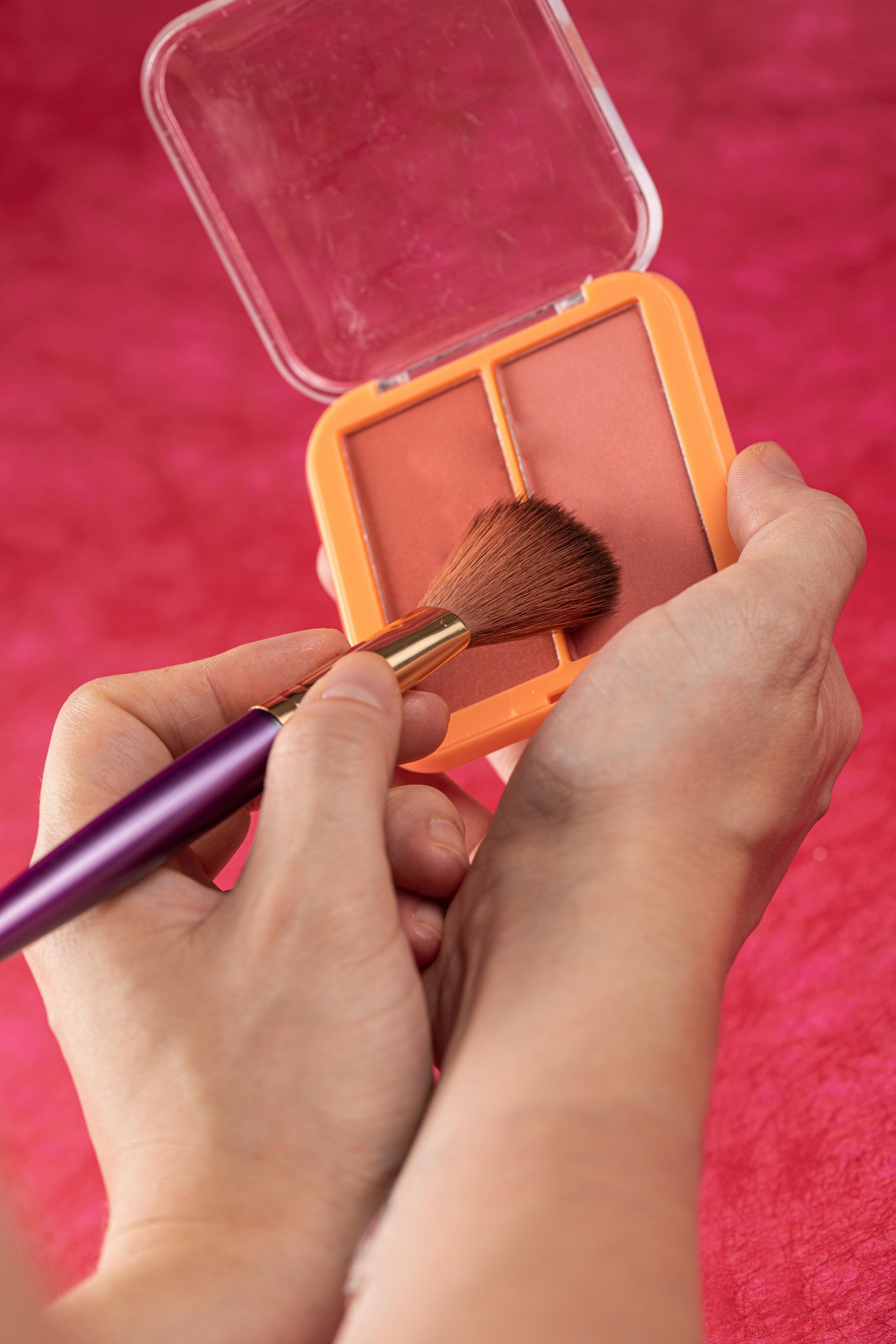
Our OEM Blusher range is designed to mimic a natural, healthy flush. From ultra-fine pressed powders to hydrating liquid serums, our formulas are engineered with "True-Color" technology to ensure the pigment looks as vibrant on the skin as it does in the packaging. We prioritize weightless textures that build effortlessly without disturbing your base makeup.
 02
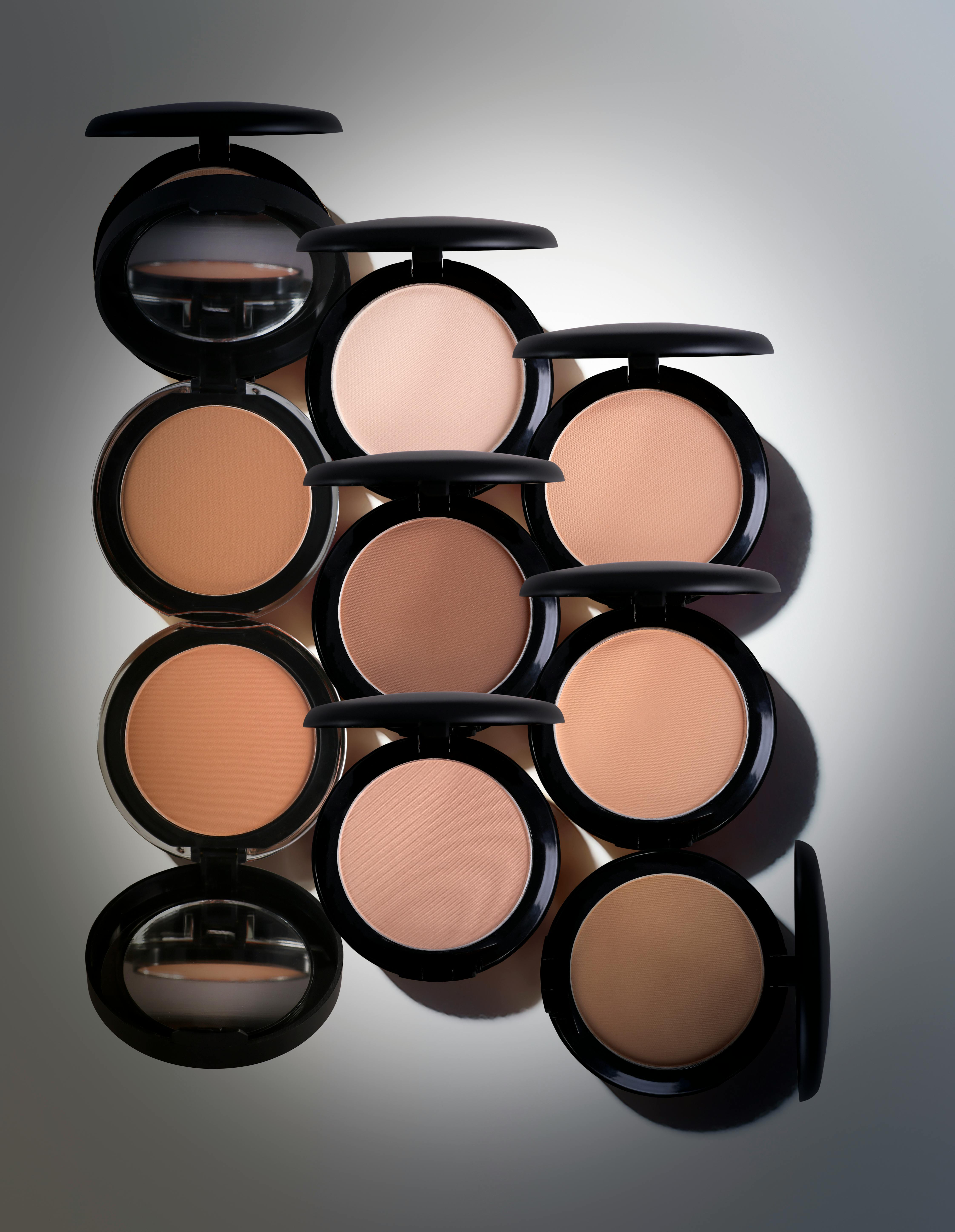
Our OEM Compact Powder is engineered to provide a flawless, airbrushed finish in a portable format. We utilize ultra-fine, jet-milled minerals that set foundation and control shine without adding heavy texture or "caking." Designed for the modern consumer, this formula blurs imperfections and minimizes the appearance of pores for a "real-life filter" effect.
 03
Our OEM Eyeliner collection is engineered for the ultimate gaze. From razor-sharp liquid liners to buttery, smudgeable kohl pencils, our formulas are saturated with deep pigments and reinforced with waterproof resins. Designed to withstand humidity, tears, and long days, we provide the tools for effortless, professional definition.
 04
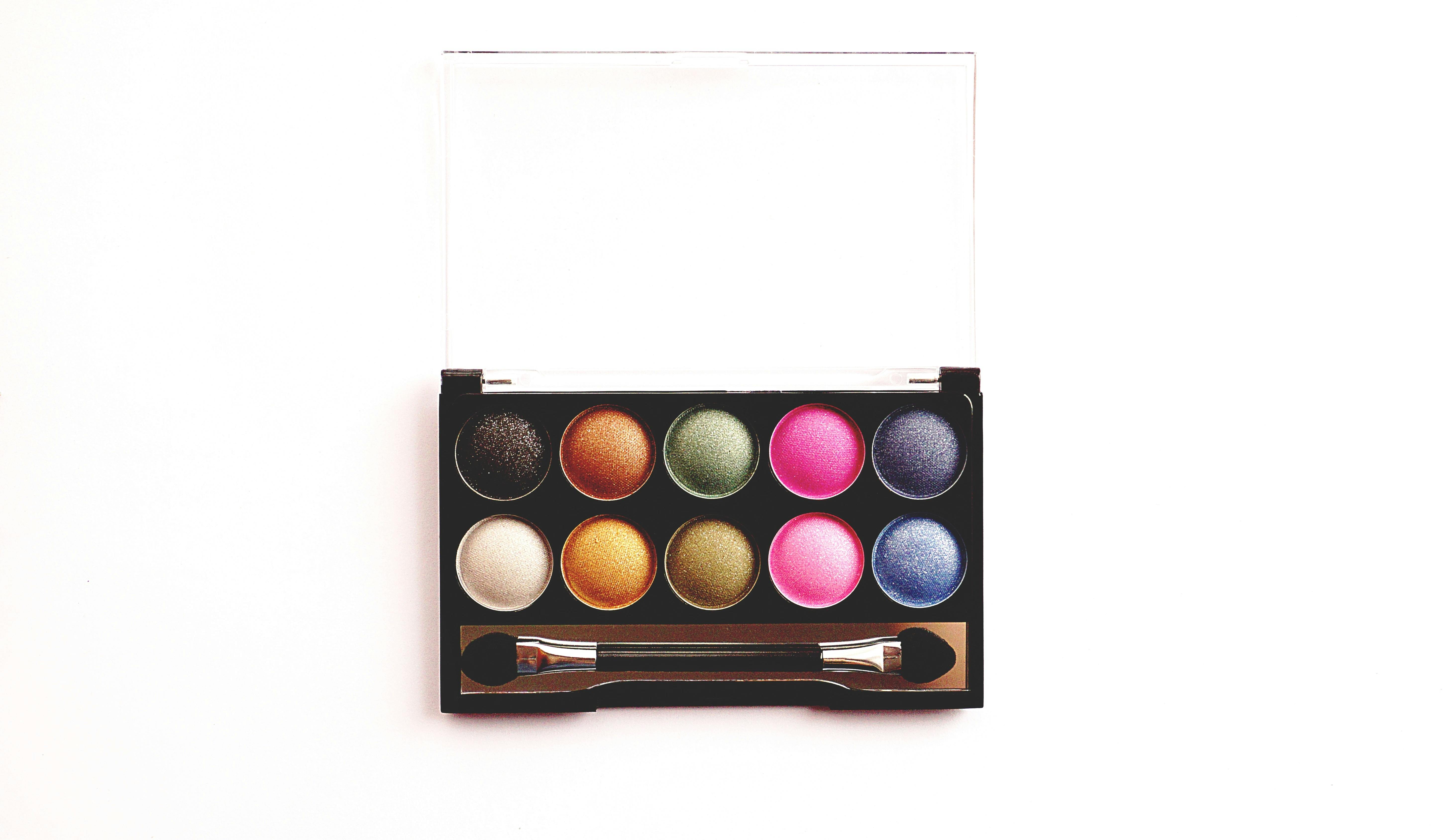
Our OEM Eyeshadows are engineered for high-impact color and effortless blending. Using advanced micronization technology, we create powders that are buttery to the touch and provide intense saturation in a single stroke. From everyday neutrals to avant-garde shimmers, our formulas are designed to stay vibrant and crease-free for all-day wear.
 05
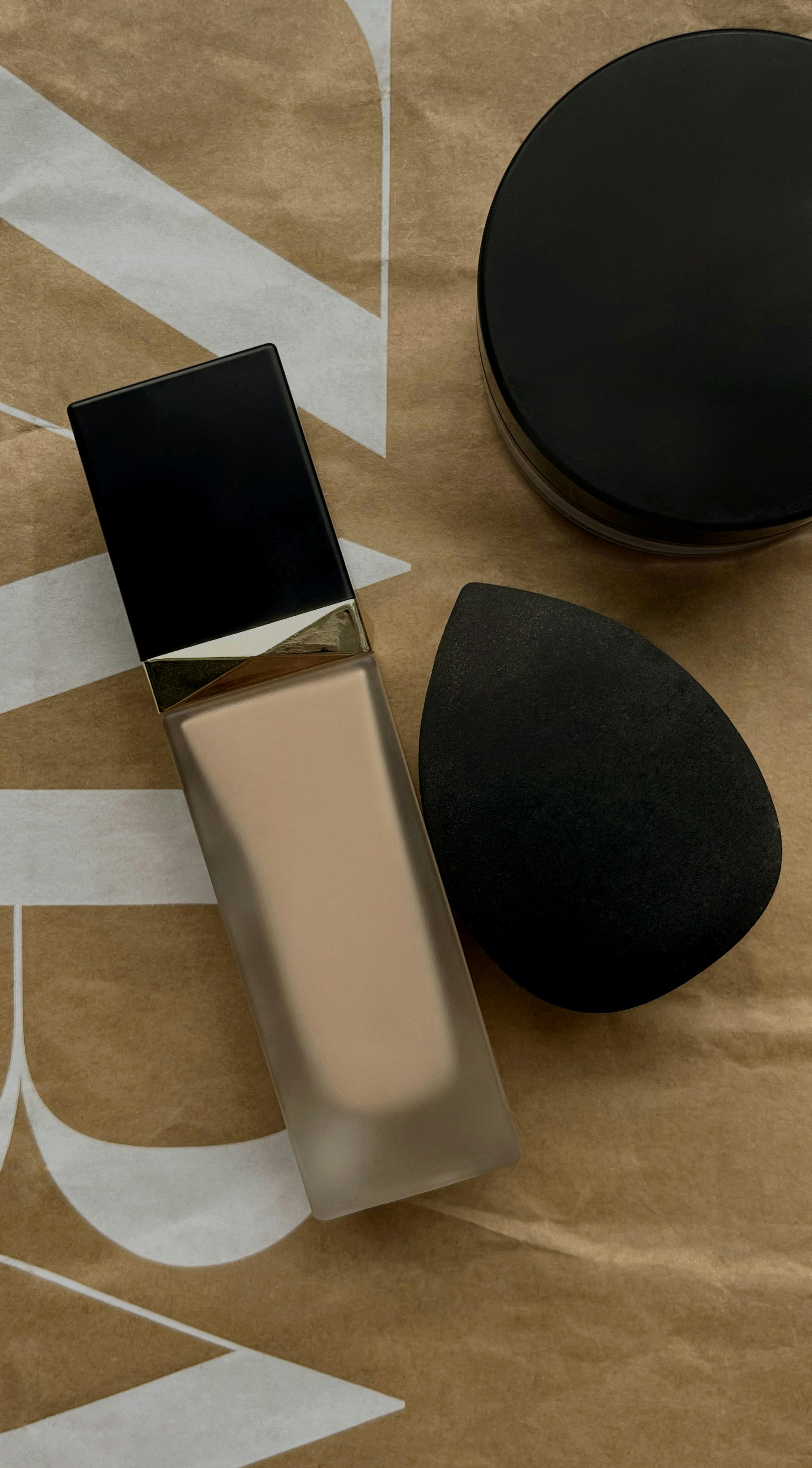
Elevate your beauty brand with a high-performance foundation tailored to your exact specifications. Our OEM service offers a "Skin-First" approach, merging advanced dermatological science with professional-grade pigments. Whether you are looking for a dewy "glass skin" finish or a high-coverage matte, our lab is equipped to develop your signature formula.
 06
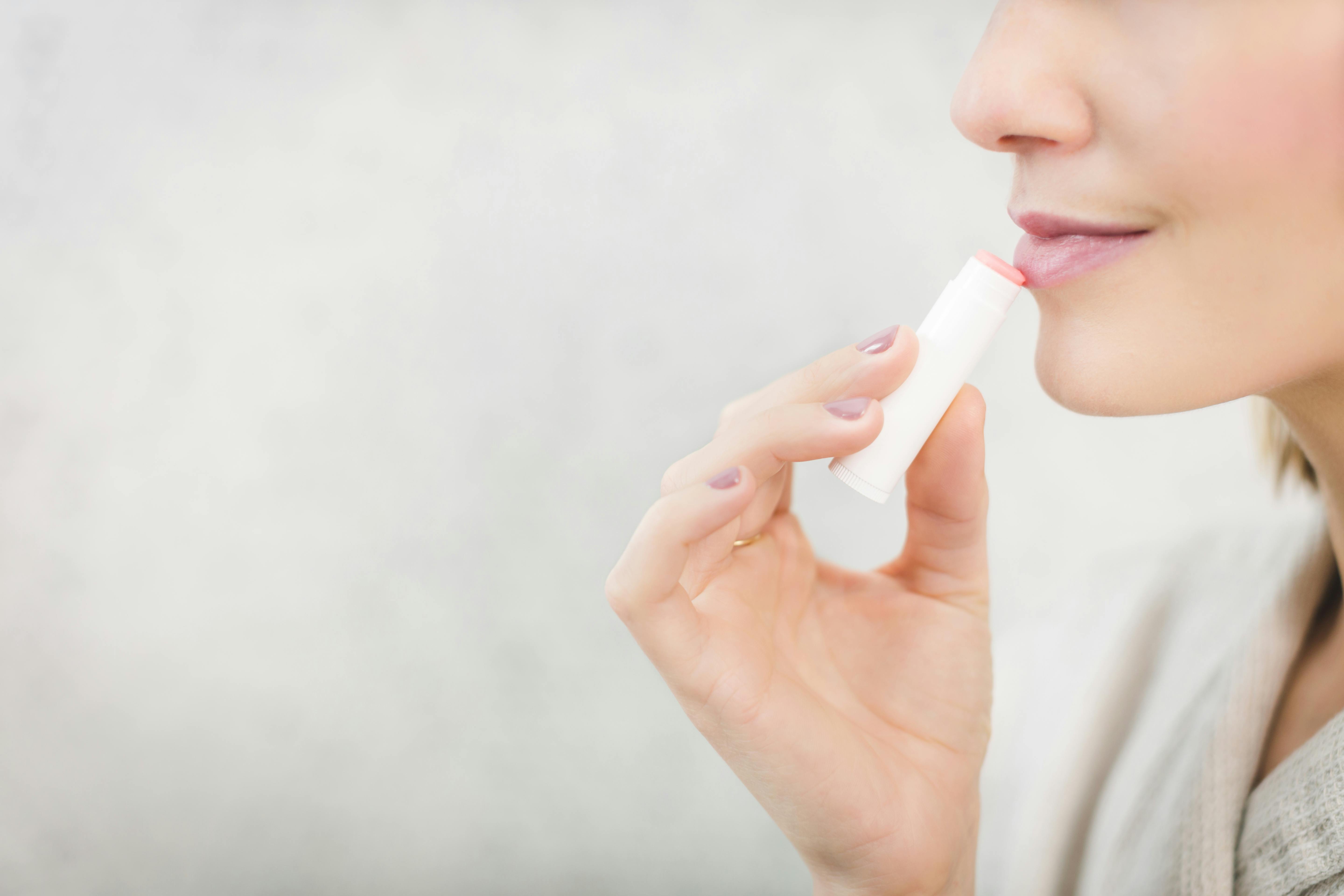
Our OEM Lip Balm is the perfect fusion of clinical care and everyday luxury. Designed to rescue dry, chapped lips, our formula creates a breathable protective seal that locks in moisture for up to 24 hours. Whether as a colorless daily staple or a sheer botanical tint, this is the "must-have" item for every skincare-conscious brand.
 07
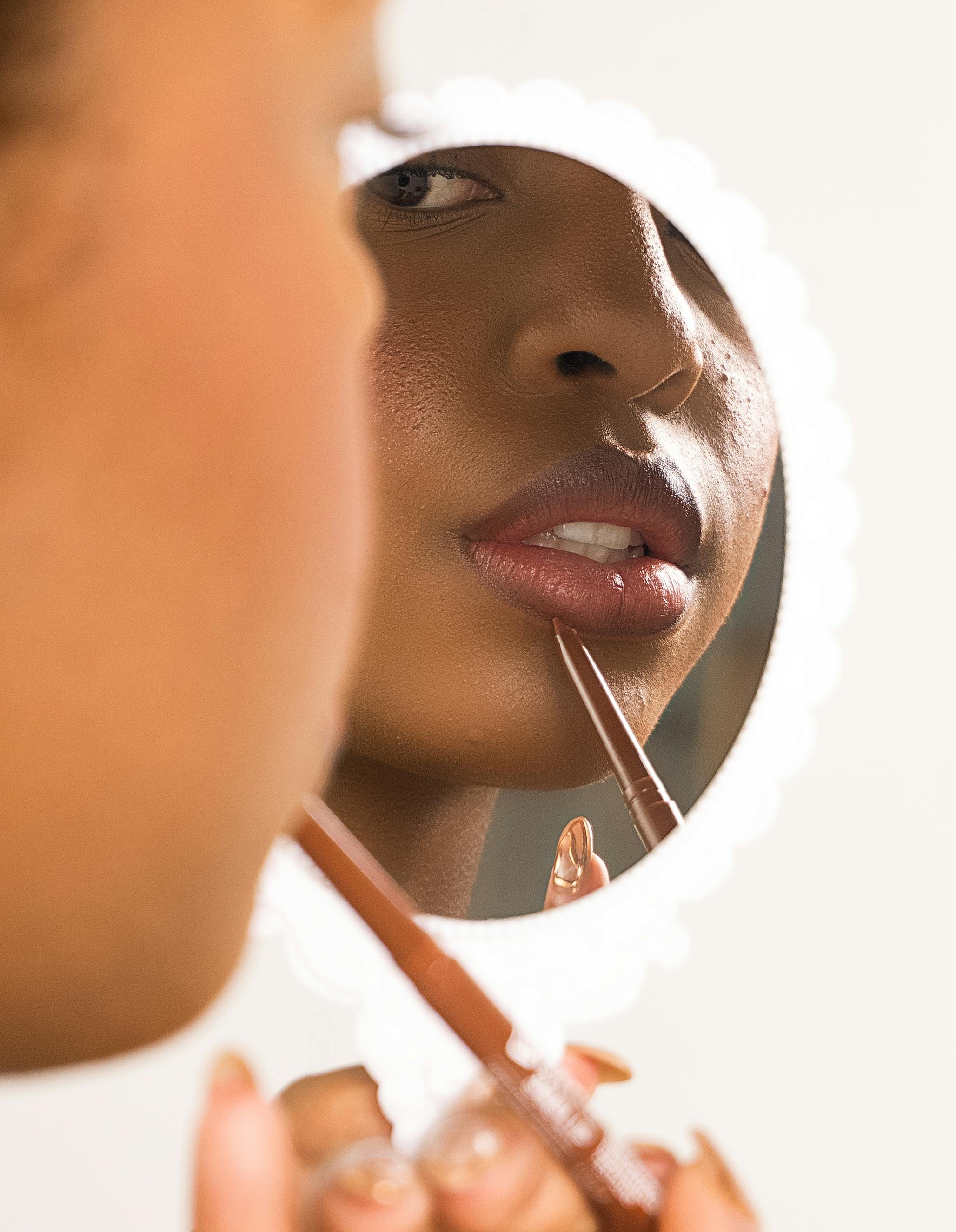
Our OEM Lip Liner is the secret to a professional pout. Engineered with a high-pigment, creamy glide that sets into a waterproof, smudge-shield barrier, our liners are designed to sculpt the lips and extend the wear of any lipstick. Whether used to overline for volume or as a full-lip base, this formula provides the ultimate control.
 08
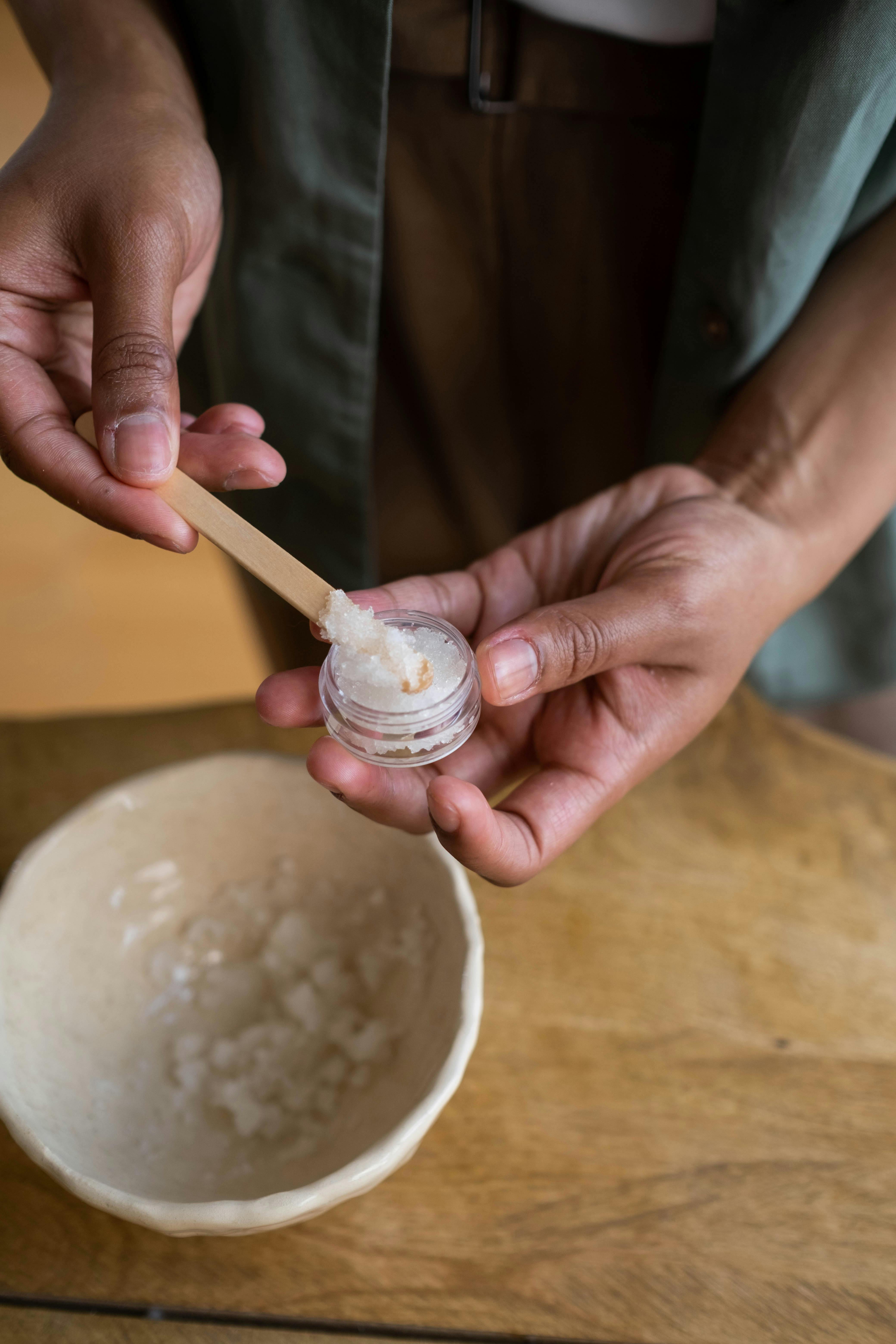
Our OEM Lip Scrub is the essential first step to any lip routine. Designed to gently buff away dry, flaky skin, our formula combines natural exfoliants with rich botanical oils. The result is a perfectly polished surface that enhances the wear of lipsticks and allows balms to penetrate deeper for maximum hydration.
 09
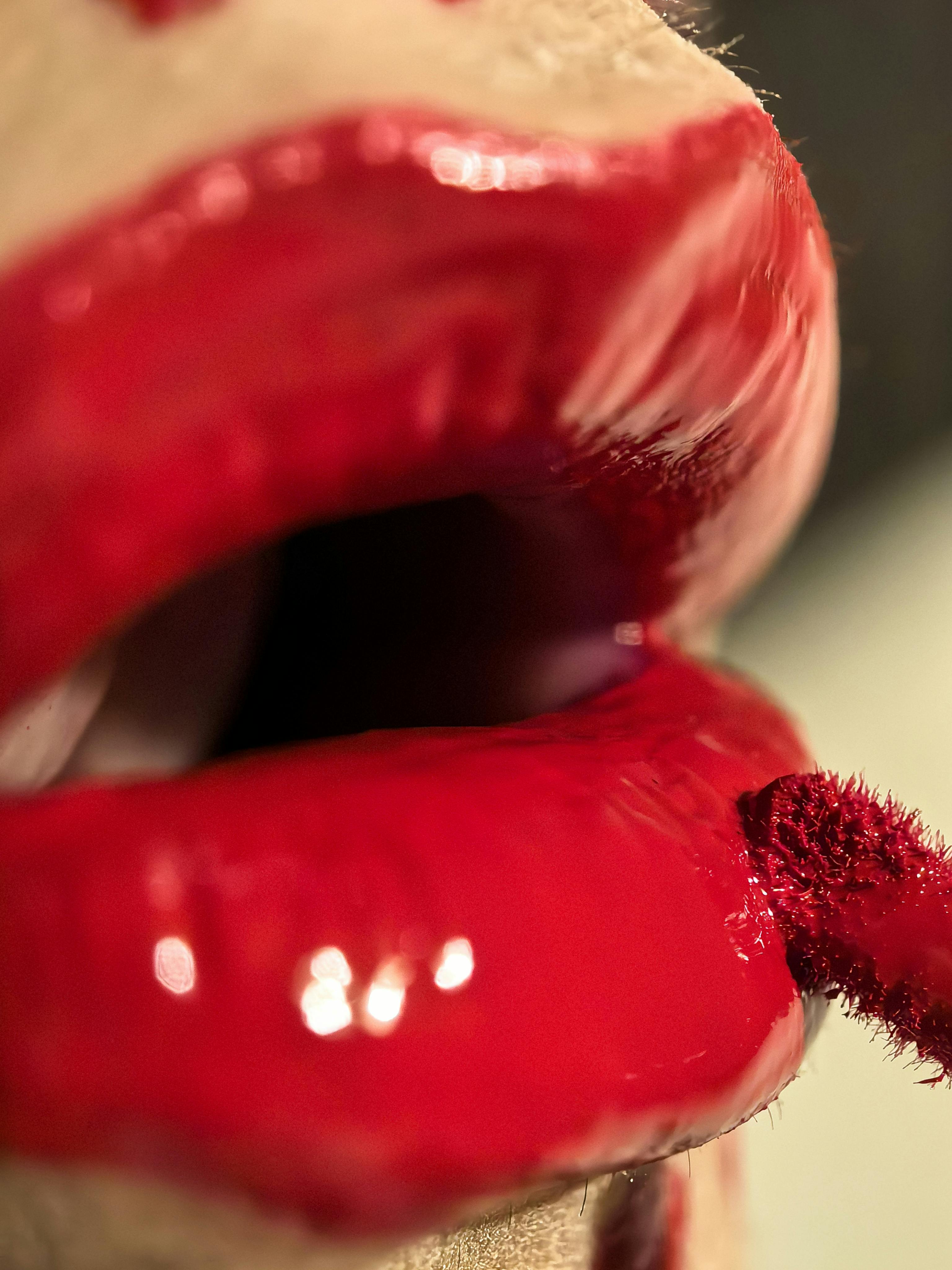
Our OEM Lip Gloss formula is designed for ultimate luminosity. We’ve eliminated the heavy, glue-like feel of traditional glosses, replacing it with a sophisticated, cushiony texture that drenches lips in moisture and a crystal-clear shine. Whether used as a topper or a standalone tint, it’s the perfect "glass skin" accessory for the lips.
 10
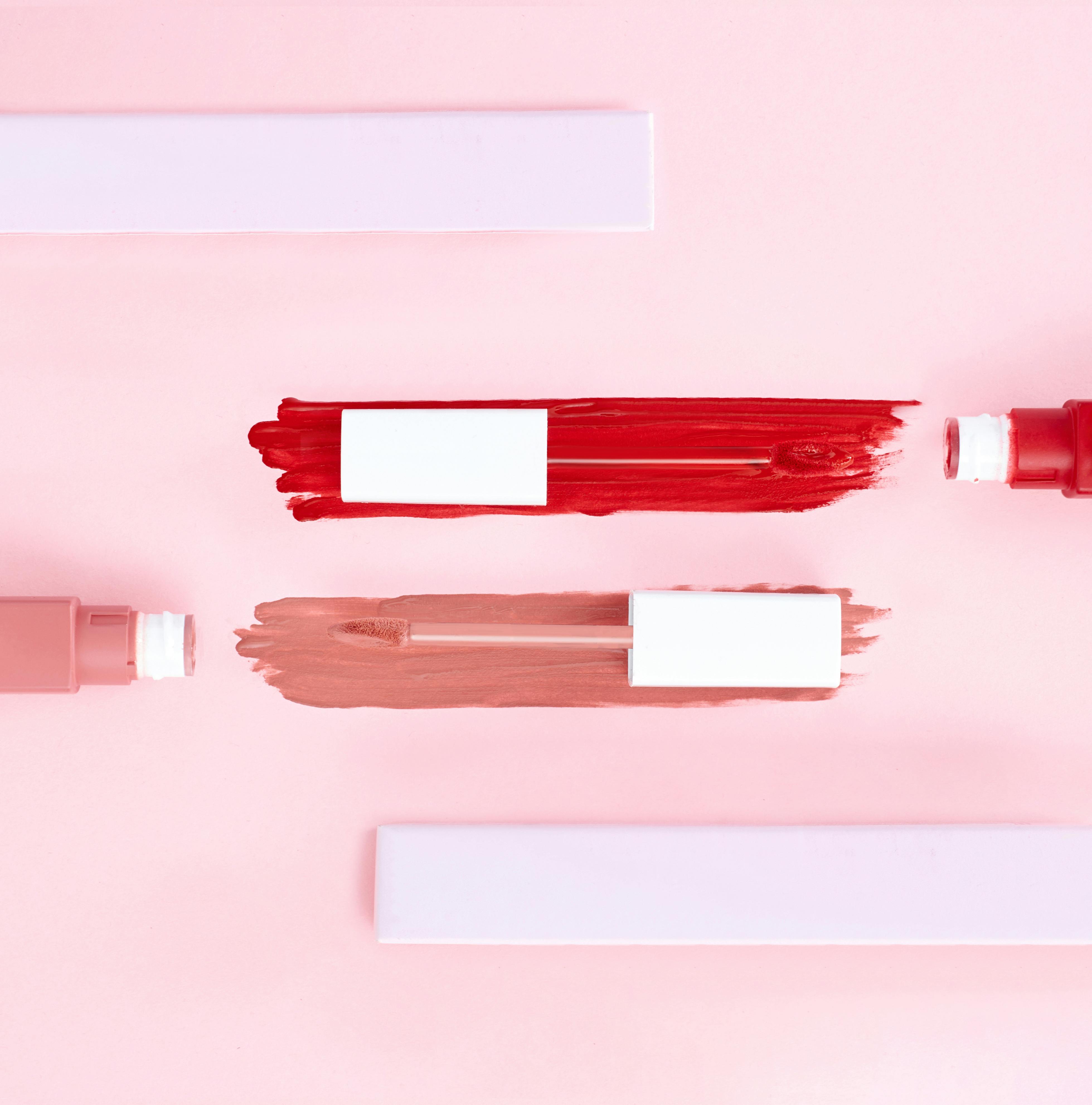
Our Liquid Lipmatte is our #1 bestselling OEM formula. It is engineered for the brand that demands professional-grade performance: a liquid that glides on like silk and sets into a transfer-proof, velvet-matte finish that lasts all day without cracking or drying the lips.
 11
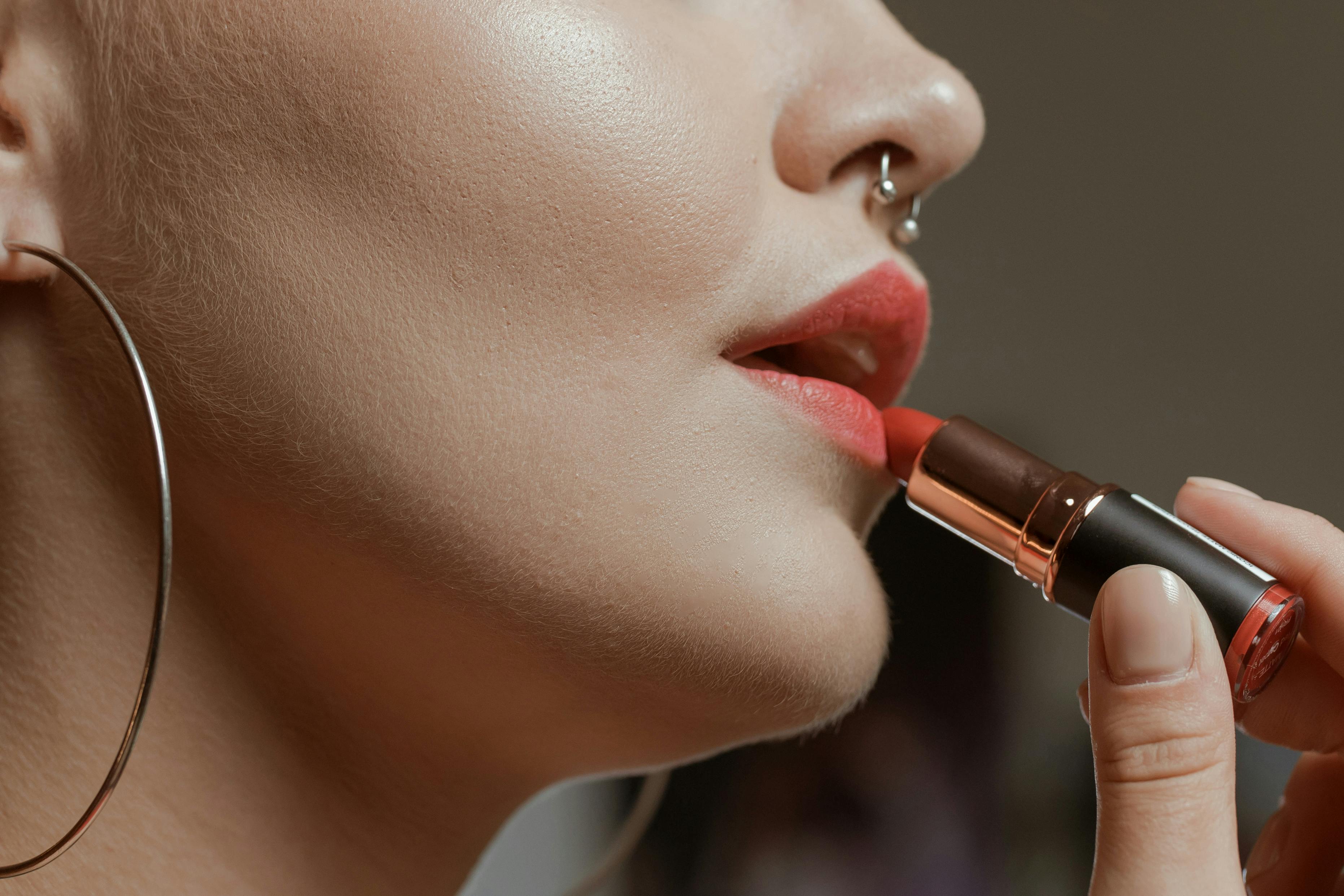
We are your strategic partner in lip product innovation. Our state-of-the-art laboratory offers a complete range of customizable formulas, from high-octane liquid mattes to nourishing clinical balms. Whether you are looking for Vegan, Halal-compliant, or High-Performance formulas, we provide the chemistry behind your brand’s success.
 12
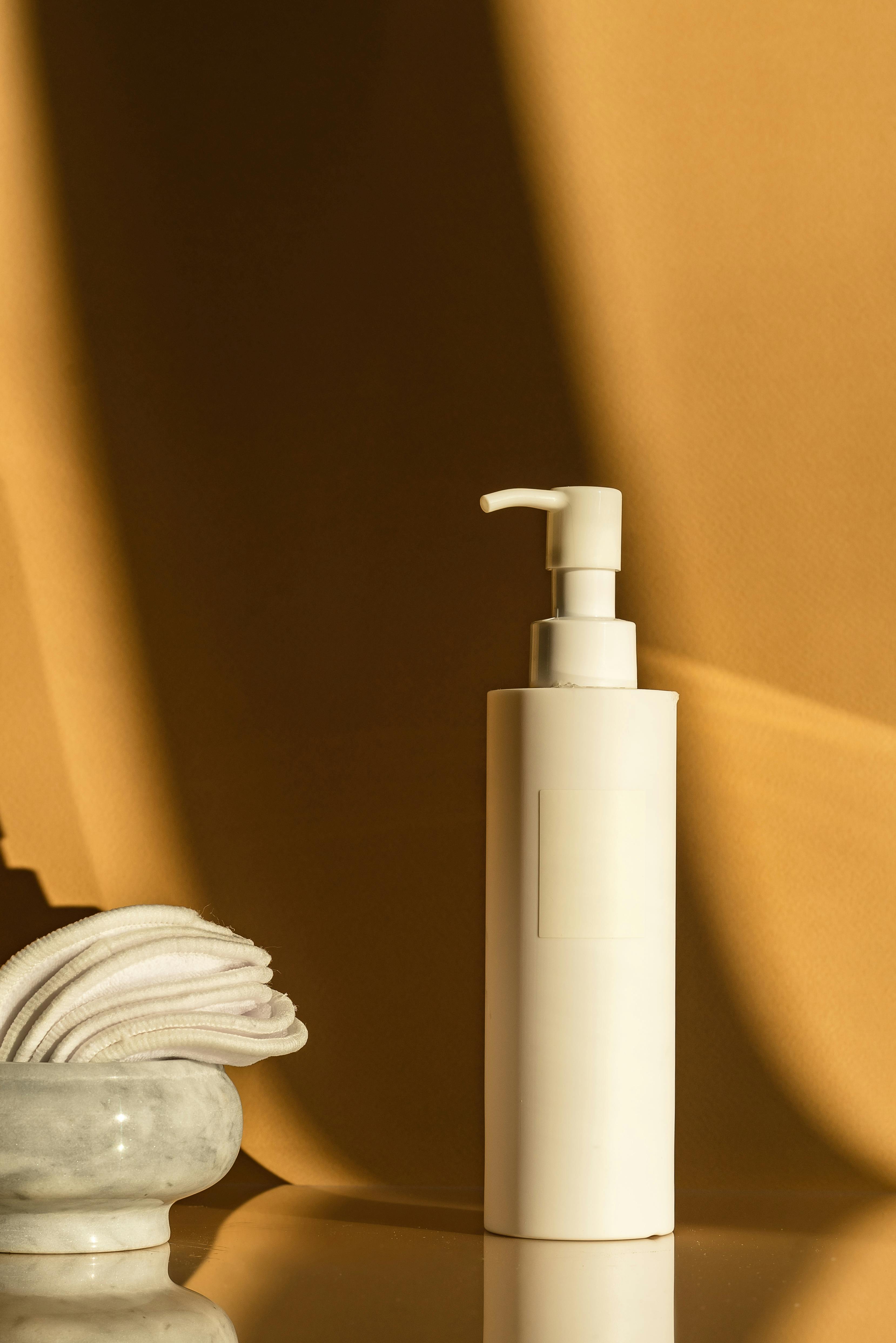
Our OEM Makeup Removers are engineered to melt away even the most stubborn waterproof formulas without stripping the skin of its natural moisture. We prioritize "Minimalist Chemistry"—using high-performance cleansing agents that lift pigments and pollutants while soothing the skin barrier. From deep-cleansing oils to refreshing micellar waters, we provide the ultimate end-of-day ritual for your brand.
 13
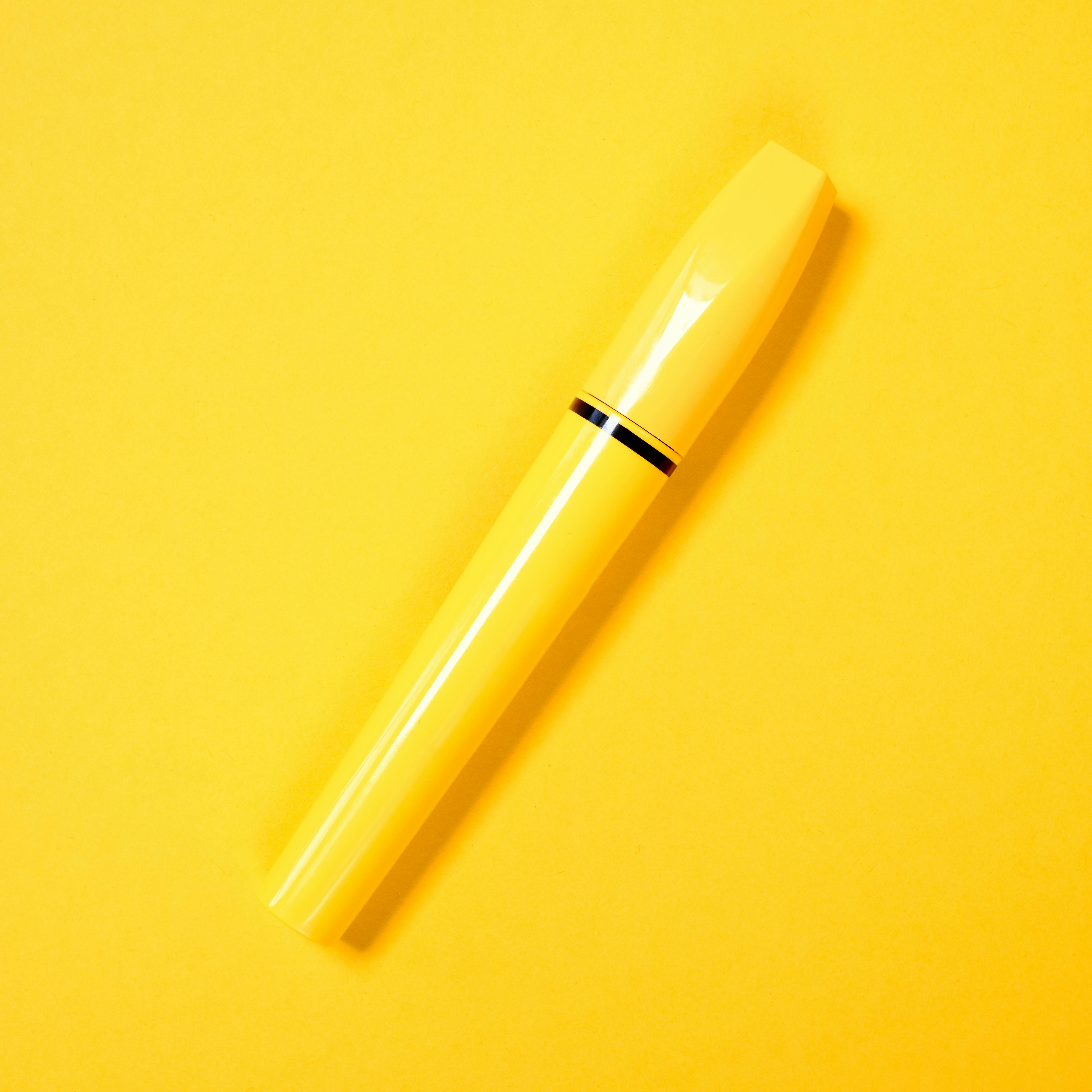
Our OEM Mascara range is engineered to transform every lash. We specialize in "Film-Forming" and "Tubing" technologies that wrap each lash in a 360-degree pigment shield. Whether your brand focuses on dramatic volume, extreme length, or waterproof reliability, our laboratory delivers clump-free, flake-free, and smudge-proof results that last from dawn to dusk.
 14
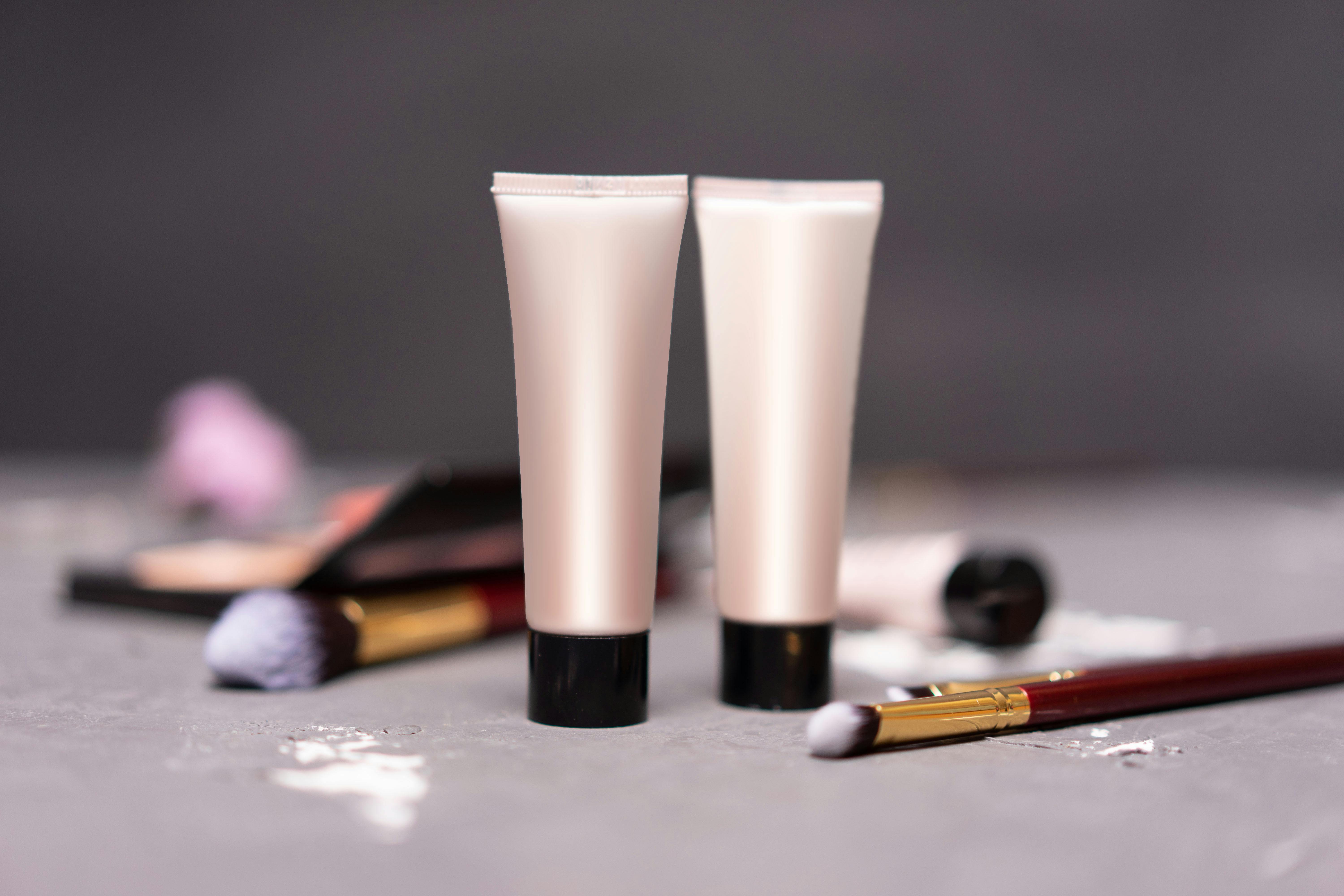
Our OEM Primers are engineered to transform the skin’s surface. More than just a base, these formulas act as a "skincare-makeup hybrid" that blurs imperfections, controls shine, and creates a magnetic grip for foundation. Designed to extend makeup wear by up to 16 hours, our primers ensure a smooth, "poreless" finish that never feels heavy or suffocating.
 15
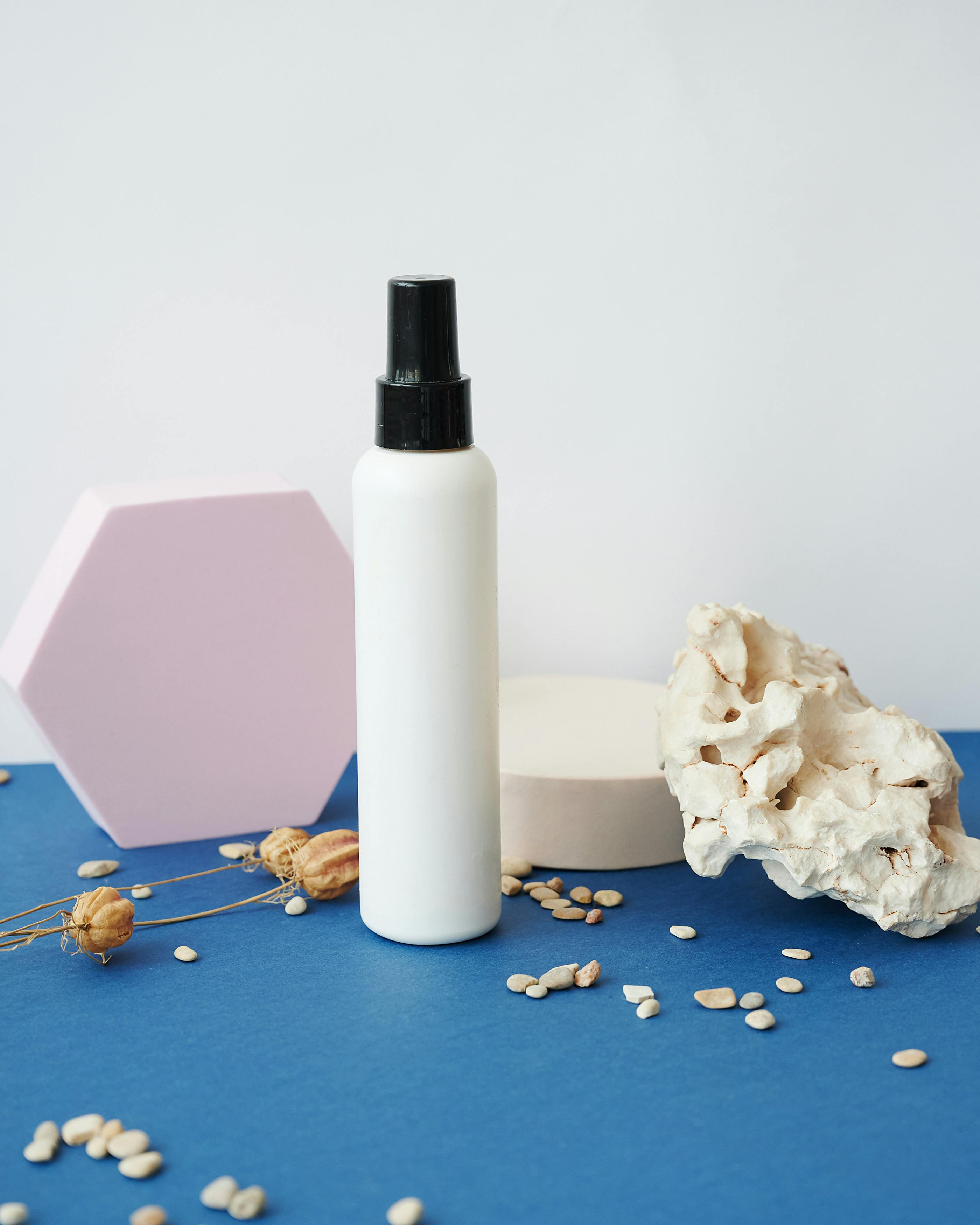
Our OEM Setting Spray is the ultimate insurance policy for makeup. Engineered with advanced "Micro-Mist" technology, it creates a weightless, breathable film that bonds makeup to the skin. Whether your customers are facing high humidity, long workdays, or a night out, our formula prevents melting, fading, and settling into fine lines.
 16
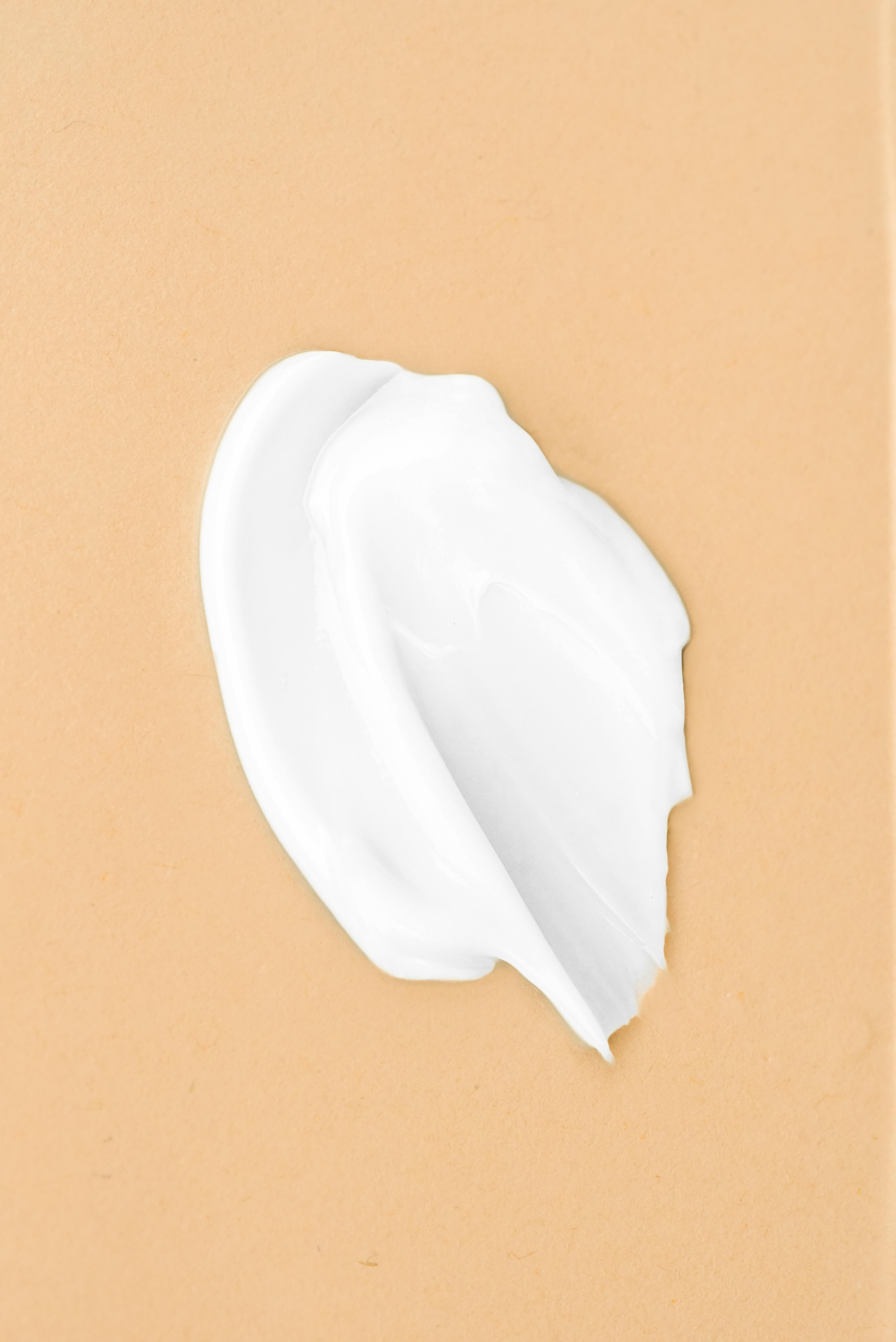
Our OEM Tone Up Cream is the ultimate multi-functional hybrid. It bridges the gap between a high-performance moisturizer and a color-correcting base. Engineered to provide an instant "brightening" effect, it neutralizes dullness and redness while evening out the skin tone for a fresh, luminous, and natural finish. Perfect for "lazy morning" routines or as a glowing base under makeup.
02 / Cosmetic brief studio
A focused brief gives the manufacturer a clearer basis for feasibility, sample direction, packaging review, and quotation.
Define the cosmetic format, target user, usage occasion, price position, and role in the wider range.
Share shade family, coverage, payoff, finish, texture, skin feel, and application preferences.
Bring benchmark products, claims direction, market references, and the brand difference you want to communicate.
Clarify component, applicator, decoration, label, target market, quantity, budget, and launch timing.
03 / Development alignment
Colour cosmetics work best when formula experience, packaging function, and launch-market requirements are evaluated as one development scope.
Review colour, coverage, finish, texture, wear experience, and agreed product direction before approval.
Consider component, applicator, dispensing, decoration, label, and formula compatibility together.
Align responsible wording, documentation, certification needs, and intended launch market with the approved scope.
04 / OEM pathway
Format, audience, shade or finish, references, packaging, market, and commercial scope.
Align product direction, sample needs, component considerations, documentation, and quotation inputs.
Review colour, texture, application, finish, and agreed adjustments before approval.
Confirm packaging, quantity, quality checks, documentation, timeline, and launch requirements.
05 / Continue planning
Move from format discovery into formulation, manufacturing model, compliance, or a broader category comparison.
Compare product fit, sampling, packaging, quality evidence, commercial scope, and project support.
Turn product and market direction into a clearer development brief.
Review quality and compliance signals before planning production.
Compare control, speed, customization, and ownership before choosing a model.
06 / Buyer questions
Use these answers to prepare the first discussion. Final feasibility, quotation, documentation, and production requirements depend on the approved project scope.
Top One Packaging supports cosmetic OEM planning for complexion, lip, eye, and finishing formats including blusher, powder, foundation, lip products, mascara, primer, and setting spray, subject to the approved development brief.
A cosmetic brief can include shade family, coverage, finish, texture, application experience, reference products, packaging, target market, and positioning before sampling and feasibility review.
Prepare the target customer, product format, shade or finish direction, reference products, packaging preference, launch market, expected quantity, price positioning, and desired timeline.
Packaging direction can be reviewed alongside the product format so container, applicator, decoration, label, and compatibility requirements form one practical project brief.
Relevant quality, documentation, label, and certification requirements can be reviewed against the approved cosmetic product scope and intended launch market before production.
Share the format, shade or finish direction, reference products, packaging idea, target market, quantity, and desired timeline.
 GMP manufacturing support
 Halal manufacturing support
 Quality and documentation planning