Cosmetic Manufacturer Selection
How to Choose a Cosmetic Manufacturer in Malaysia
A practical framework for comparing product fit, formulation support, cosmetic packaging, sampling, quality documentation, commercial scope, and project communication before you shortlist a manufacturing partner.
The selection rule
Compare the complete project pathway—not one promise or one price.
01 / Six evaluation areas
Shortlist with the whole product in view.
A cosmetic manufacturer should be assessed against the product, packaging, quality, commercial, and working relationship your brand actually needs—not a generic capability list.
Product-category fit
Confirm that the manufacturer can discuss the cosmetic format you want—complexion, lip, eye, or finishing products—at the level of detail your brief requires.
Ask: Which related formats have you planned or produced, and what information do you need from my brand?
Formulation and sampling
Understand how references, shade direction, texture, finish, application experience, revisions, and sample approval move through development.
Ask: How will feedback be recorded, and what counts as an approved sample?
Packaging compatibility
Treat formula, component, applicator, dispensing, decoration, label space, and outer packaging as one connected product system.
Ask: When will packaging compatibility and component availability be reviewed?
Quality and documentation
Ask which quality, documentation, certification, label, and intended-market requirements apply to the proposed project scope.
Ask: Which documents and checks belong to this project, and who is responsible for each one?
Commercial scope
Compare minimum quantity, quotation assumptions, sample costs, packaging commitments, production timing, payment stages, and change-control boundaries.
Ask: What is included, excluded, variable, or dependent on final approval?
Communication and ownership
A useful manufacturer relationship needs clear decision owners, review stages, written approvals, progress updates, and escalation routes.
Ask: Who manages the project, and how are decisions and changes confirmed?
02 / Comparison scorecard
Turn conversations into comparable evidence.
Use the same six areas with every shortlisted manufacturer. Written answers make it easier to compare what is clear, what depends on the brief, and what still needs confirmation.
Choose OEM or ODM first03 / Clarify before commitment
Warning signs are often missing details.
A missing detail is not automatically a bad supplier. It is a prompt to pause, ask for written clarification, and avoid treating an assumption as an agreement.
A quotation is offered before the product format, packaging, quantity, and market are understood.
Health, performance, certification, approval, or launch outcomes are guaranteed without project-specific review.
Sample approval, revision scope, packaging responsibility, or documentation ownership remains unclear.
Timelines are presented as fixed even though formula, component, testing, or approval decisions are unresolved.
04 / Make the brief specific
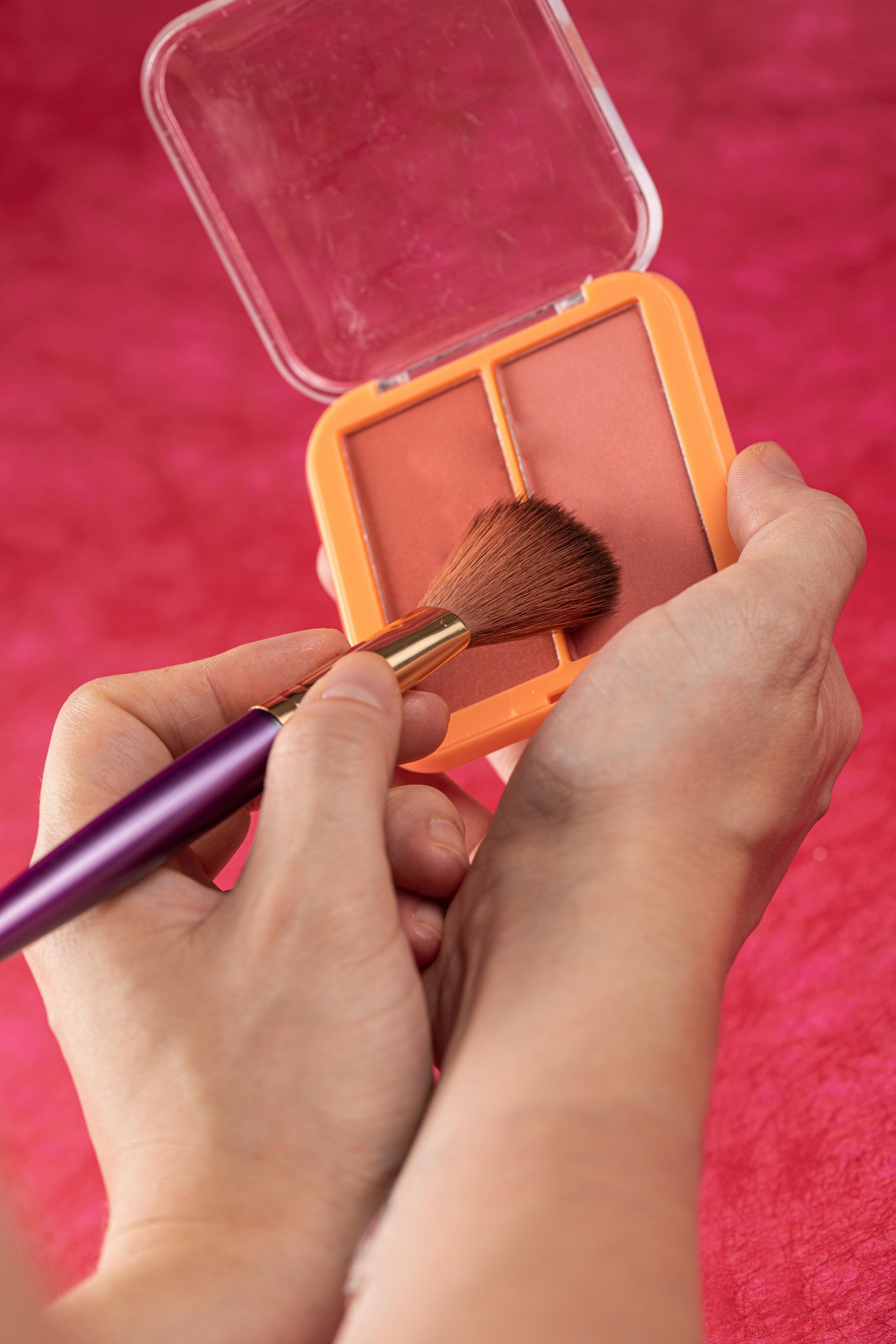
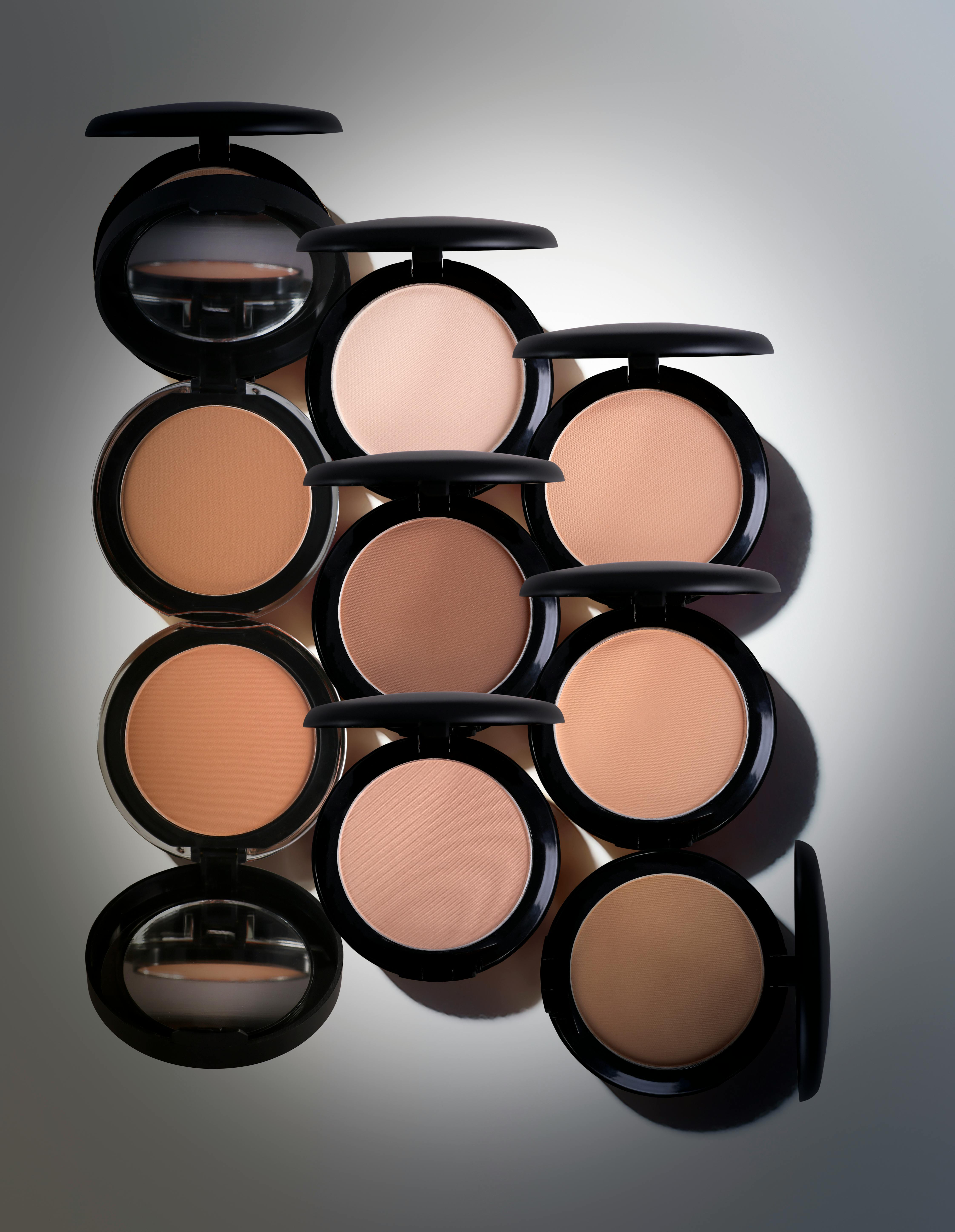
Start with a real cosmetic format.
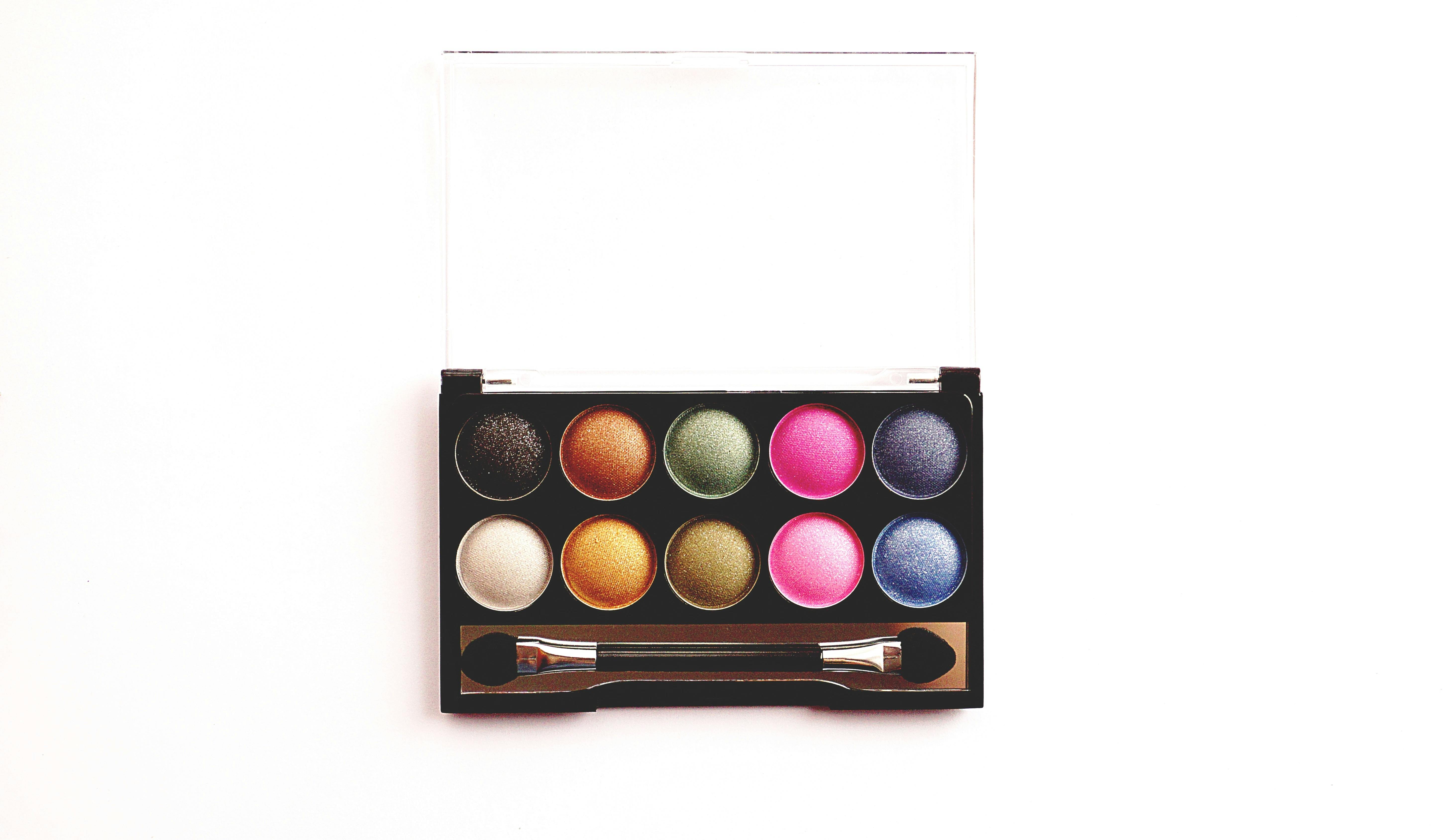
Product-level references help a manufacturer respond to the actual shade, finish, texture, applicator, packaging, and positioning questions in your brief.
05 / Continue the evaluation
Connect the supplier decision to the project.
Cosmetic OEM manufacturer Malaysia
Review live cosmetic formats and prepare a product-specific development brief.
OEM vs ODM guide
Compare control, customization, ownership, preparation, and speed before selecting a model.
Certifications
Review Top One Packaging quality and certification information as part of supplier due diligence.
06 / Prepare your enquiry
Have a product format and shortlist questions ready?
Share your audience, format, shade or finish, references, packaging direction, market, quantity, and timeline with the Top One Packaging team.